
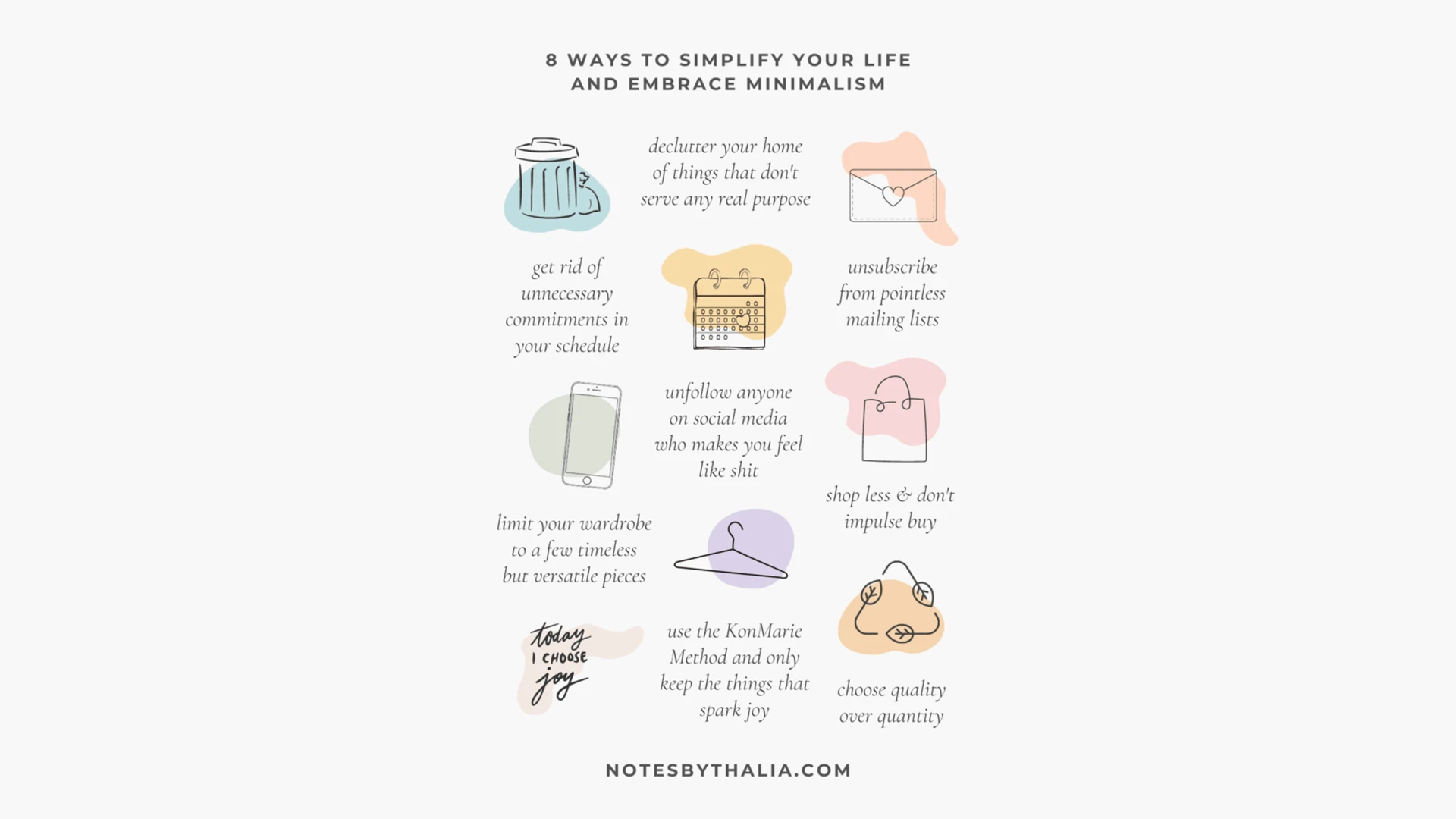
Living a minimalist lifestyle has been gaining popularity in recent years. At its core, minimalist living involves consciously choosing to live with fewer material possessions and lowering your consumption of non-essential goods and services. For some, it’s a way to reduce stress, save money, and live more intentionally. But minimalism isn’t for everyone. Let’s take a look at some of the key pros and cons.

Pros of a Minimalist Livestyle:
1. Reduces financial burden – Owning fewer things means spending less money on accumulating and maintaining “stuff.” This frees up money for savings, investments, travel or other priorities that add more value to your life.
2. More time and less stress – Minimalism reduces the time and effort required for cleaning, organizing and maintaining possessions. This can lead to less stress and more free time to spend on relationships and experiences that truly matter.
3. Environmental benefits – With less consumption of goods, minimalists have a lower ecological footprint through reduced waste, fewer resources used for manufacturing, and lower energy/transportation costs.
4. Freedom and flexibility – Owning less “stuff” provides greater mobility. It’s easier to move or travel without being weighed down by possessions.
5. Increased mindfulness – The minimalist mindset encourages being present, intentional and finding contentment in experiences rather than material goods.
Cons of a Minimalist Lifestyle:
1. Initial difficulty downsizing – Deciding which possessions to keep or discard and breaking cyclical consumption habits can be quite challenging initially.
2. Social barriers – The cultural norm is to accumulate material wealth over time. A minimalist lifestyle may be viewed negatively by some as radical or alternative.
3. Practical limitations – Minimalism brings advantages but taking it to an extreme could mean giving up certain modern-day conveniences and comforts that improve quality of life.
4. Family difficulties – It can be hard to practice minimalism when other family members don’t embrace the same values. Compromises may need to be made.
5. Inexpensive hobbies limited – Some activities and interests require tools, supplies or equipment that a hardcore minimalist would avoid accumulating.
Striking the right balance is key. While minimalism promotes many benefits, it’s ultimately a personal choice. Find the right minimalist approach that fits your values and lifestyle.
There is starting to be some relevant information available on the demographics of those who choose follow the minimalist lifestyle.
A 2018 study estimates there are approximately 4.8 million digital nomads in the United States and interestingly enough 26% of those digital nomads are baby boomers and studies suggest that most digital nomads are male.
A more recent survey, 2021, found that 51% of millennials are interested in living a minimalist lifestyle.
More and more people are starting to realize the importance of enjoying their lives and in many cases this means having less to enjoy life more. The minimalist lifestyle is a radically different way of perceiving “having” and “being” that leads, not to deprivation, but to lives more richly lived.


Join The Discussion