

If you’re interested in learning more about what a minimalist lifestyle might look like for you, here are several essential principles that will help you begin to discover the benefits in your life.
A minimalist lifestyle isn’t just about living in a tiny home. It’s also a way of life as you will see from some of the memes I will be sharing.
Declutter Your Space
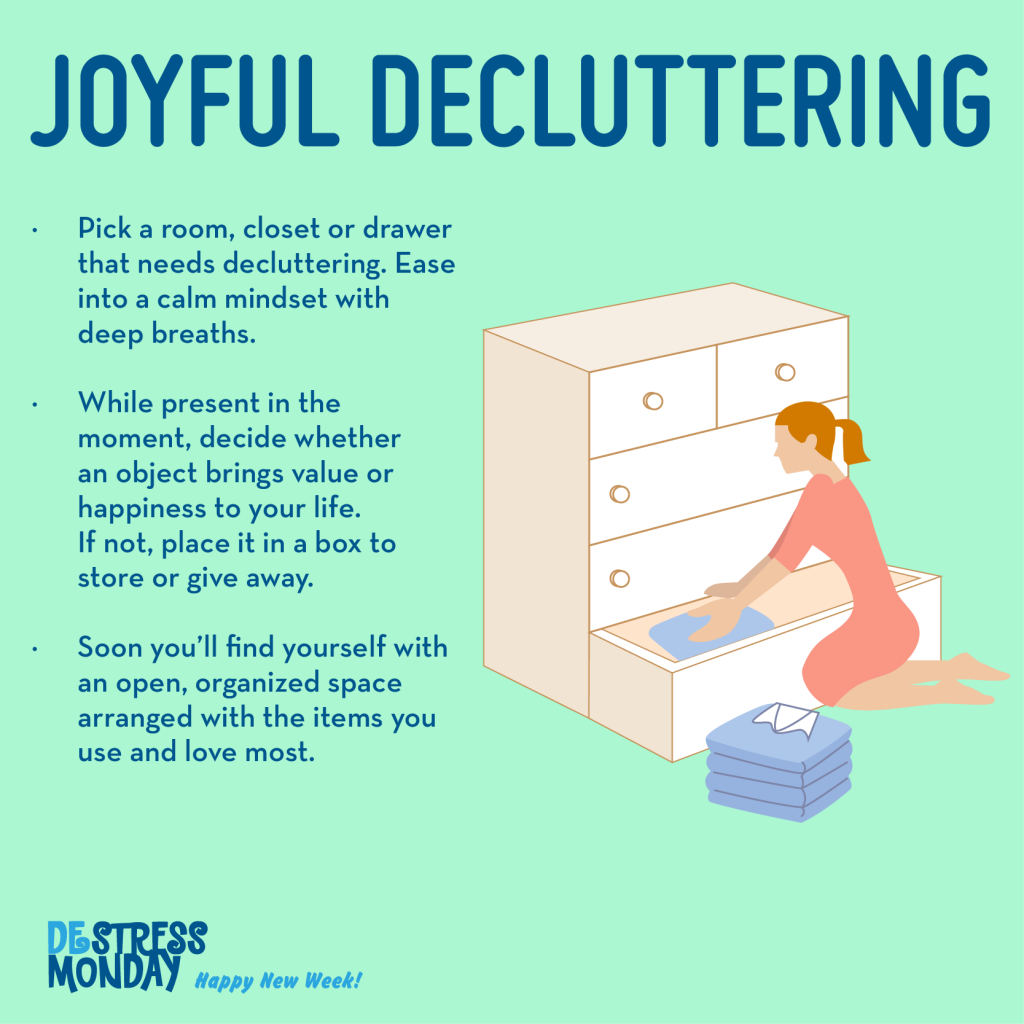
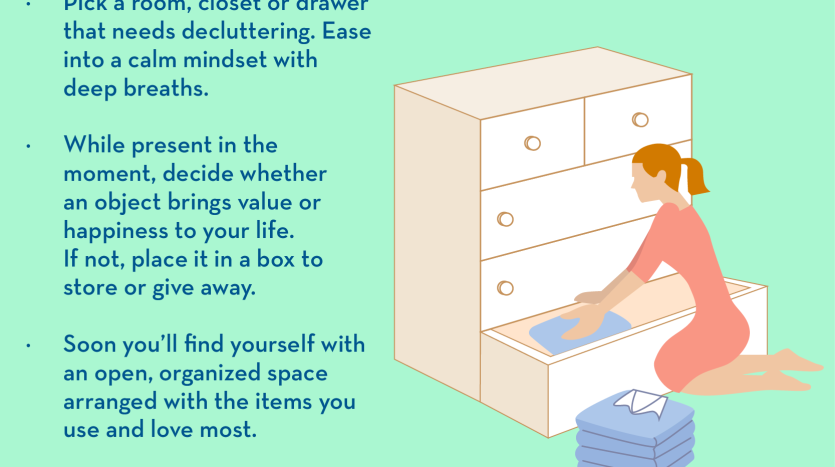
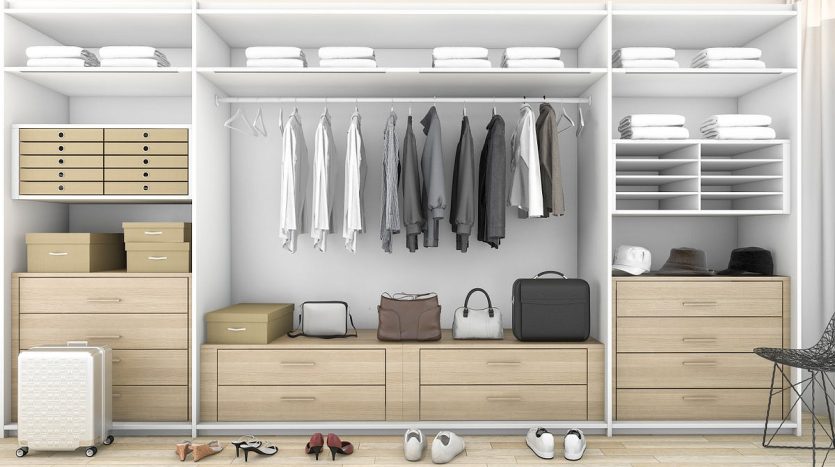
You are going to begin your minimalist journey by removing physical clutter that either physically or mentally encumbers you. Be purposeful in how you do this. One room at a time, one drawer at a time, one shelf at a time.
Decluttering your space also implies that you are living with intent – you know what your goals are, what your direction is and how you are going to get there. It involves purchasing decisions as well as how you spend your time.
For example, if you love reading maybe having e-books makes more practical sense for a small environment than having a large physical library. If physical books are important to you, then you will need to determine how to build your bookcase or library that houses your collection.
Simplifying Your Lifestyle
Another component of a minimalist lifestyle includes your daily routines. It’s important to evaluate your daily routines to eliminate unnecessary complexity. This could mean simplifying meals, streamlining your morning schedule, or setting specific times for tasks like checking emails. By simplifying your schedule, you can create more time for meaningful activities.
Enhanced Quality Over Quantity of Life: Mindful Consumption
Living in a tiny home with a minimalist approach fosters a sense of mindfulness and contentment. It is possible for tiny homeowners to experience less stress and greater appreciation for the things that truly matter to them, such as relationships, experiences, and personal growth. The intentional design and organization of a tiny home promote a clutter-free, peaceful environment conducive to well-being.
With limited storage space, there’s a natural inclination toward choosing high-quality items that are durable and serve multiple purposes. This aligns with minimalist principles of preferring fewer, well-made possessions over numerous, disposable ones. Investing in quality items reduces the need for frequent replacements and contributes to sustainable living.
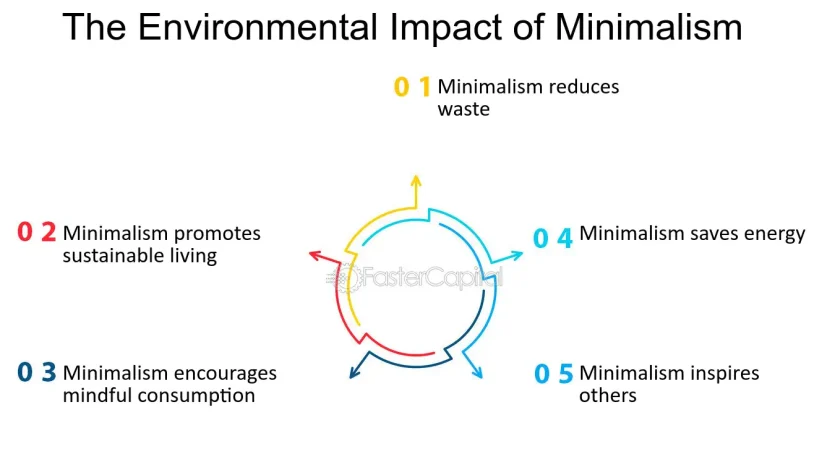
Become a mindful consumer by recognizing the impact of your buying choices on the environment and on your own mental health. When we decide to own less, it becomes much easier to consider if you truly need the item or if it’s merely an impulsive buy. This habit not only preserves your space but also may protect the planet.
Financial Freedom
Minimalism often leads to spending less and saving more. By reducing your material desires, you can focus on financial goals like paying off debt or saving for future experiences, rather than accumulating goods.
Minimalism often leads to reduced spending and increased savings. By curbing material desires, you can focus on financial goals such as paying off debts or saving for future experiences, offering greater financial freedom and flexibility.
This financial freedom can be liberating and can be used in any number of different ways: getting out of debt, getting ahead financially, saving for retirement, charitable giving. Only you know exactly the best way for you to spend/invest newfound cash, but minimalism will make it possible.
Tiny home living often comes with lower costs compared to traditional housing, including reduced expenses for utilities, maintenance, and property taxes. Minimalism further supports financial freedom by encouraging spending less on material goods and focusing resources on experiences, savings, or other meaningful pursuits. This financial flexibility can lead to a greater sense of security and independence.
Focus on Relationships and Personal Growth
By minimizing the importance of possessions, you can allocate more energy to building and nurturing relationships. Spending time with loved ones, with those close to you, becomes more possible because you have extra time. Time you are not spending maintaining your possessions or doing maintenance activities. Strong, supportive relationships are key to happiness and fulfillment, far surpassing the temporary joy brought by material goods.
Environmental Considerations
Both minimalism and tiny home living promote environmental consciousness. By consuming less and reducing waste, residents minimize their ecological footprint. Tiny homes are often designed with energy-efficient features and sustainable materials, aligning with eco-friendly practices that prioritize conservation and environmental stewardship.
Embrace the Journey
In Conclusion: Embrace the Journey
Minimalism is a journey, not a destination. It’s about gradual improvement and continuous reflection on what makes life meaningful. Because it is a journey you can take it where you want. Be as minimalist as you are comfortable with.
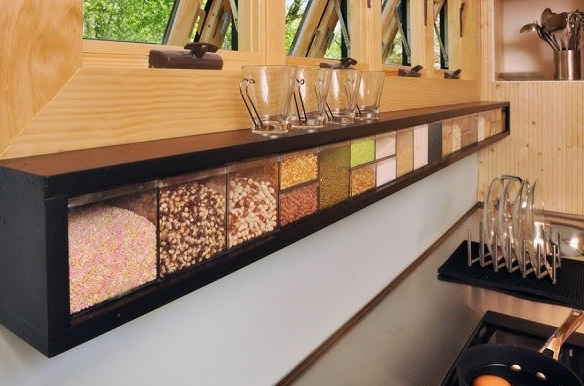
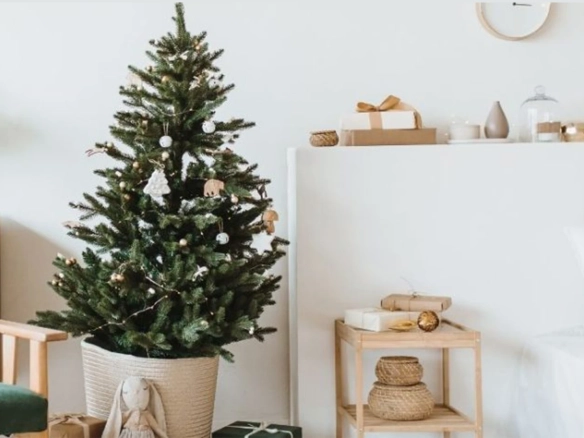
These are examples example of living with intent and this deliberate thought process allows you to create a more purposeful, satisfying minimalist lifestyle.
Be patient with yourself and allow your minimalist practices to evolve over time. There are many changes you have to review and address to get to the point where you consider yourself a minimalist. Multi-purpose dishes and furniture, better quality clothing, space-saving ideas – these are concepts you have to consider when embarking on a minimalist lifestyle.
By embracing the above principles, you open the door to a world of freedom, peace, and deep satisfaction.
In summary, minimalism and tiny home living are complementary lifestyles that emphasize simplicity, purposeful consumption, and mindful living. Together they offer a pathway to greater freedom, sustainability and fulfillment. And this encourages individuals to prioritize what brings true value and happiness to their lives.
Contact Us
A minimalist lifestyle may or may not be right for you but it helps to speak with somebody who has done it directly.
It all starts with a conversation. Let’s Chat.


Join The Discussion